

Inspiration: The Catalyst for Great Design
Here at Extreme, the most crucial aspect of our design process takes place before we even begin to design. Before we sketch, measure or collate materials, we must first establish the design concept for any given project. For us, the design concept is the roadmap for the evolution of the project, guiding us and informing every decision, every detail.
Our design concepts begin with inspiration derived from our clients. An Extreme inspiration covers all of the fundamental factors to create an ergonomic, functional and enjoyable space in which to live. However, it also goes beyond these pragmatic and practical points to establish a story.
“To say that something is designed means it has intentions that go beyond its function. Otherwise it’s just planning.” — Ayse Birsel , Designer, Author and Co-founder of Birsel + Seck
Whilst our approach is unique to our industry, inspiration is widely used in the world of design. Designers, artists and makers have used inspiration to influence their work for millennia. In this article, we share the role that inspiration plays in design and take you on an exploration of some iconic designs in architecture, fashion and furniture.
THE ROLE OF INSPIRATION IN DESIGN
Inspiration plays an integral role in design; it could even be argued that one cannot exist without the other. Inspiration opens new creative possibilities, and it is often when designers and artists are inspired that the most groundbreaking designs are born. Whatever the industry, from architecture to automotive design, inspiration is the catalyst for fresh ideas, pushing boundaries and exploring new concepts.
One of the quotes which we feel captures this best is from Lorinda Mamo who said, “Every great design begins with an even better story”. After all, it is the story that drives the design narrative.
The sources of inspiration are unlimited and come in many different forms, whether it is an object, an emotion, a memory, a location, to name a few. Even the work of other designers can be a source of inspiration. The great art and design movements throughout history are proof of how the impact of one designer’s work can influence a generation of designers.
Some designers draw on a unique inspiration for each design, while others cite one source of inspiration that influences their entire body of work. Architect Antoni Gaudi famously said, “Nothing is art if it does not come from nature”, a belief that is reflected in his buildings such as the Sagrada Familia. Interestingly, nature is a recurrent source of inspiration for many architects and designers, as we reveal later in this article.

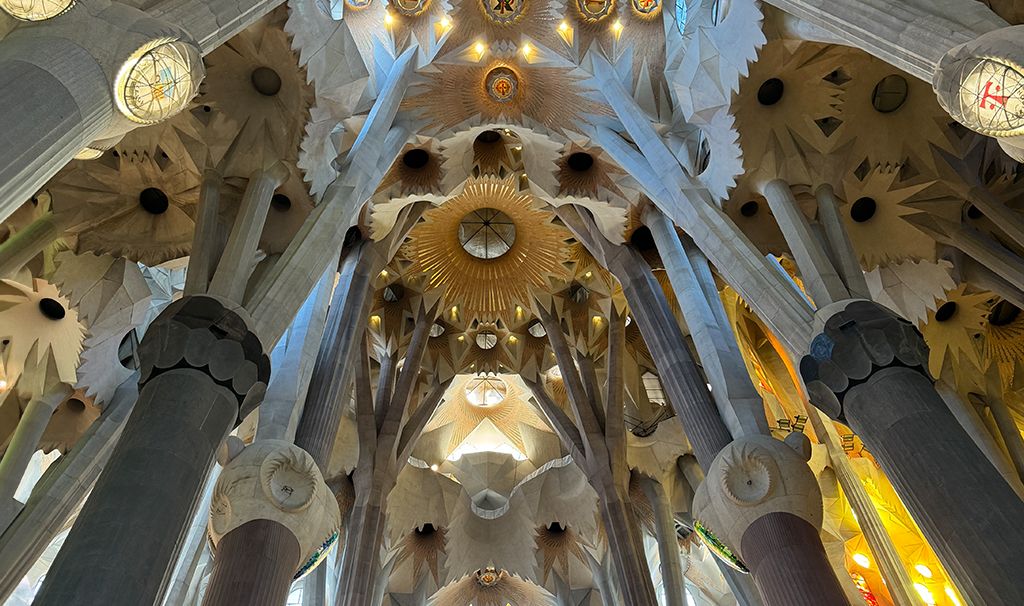
We have collated a handful of designs in architecture, fashion and furniture to illustrate this technique in practice. Read on to uncover the inspiration behind each design.
GUANGZHOU OPERA HOUSE, ZAHA HADID
The Guangzhou Opera House by architect Zaha Hadid, draws inspiration from its location. The building is shaped to resemble two pebbles on the bank of the Pearl River. The design has been particularly influenced by river valleys – and the way in which they are transformed by erosion.
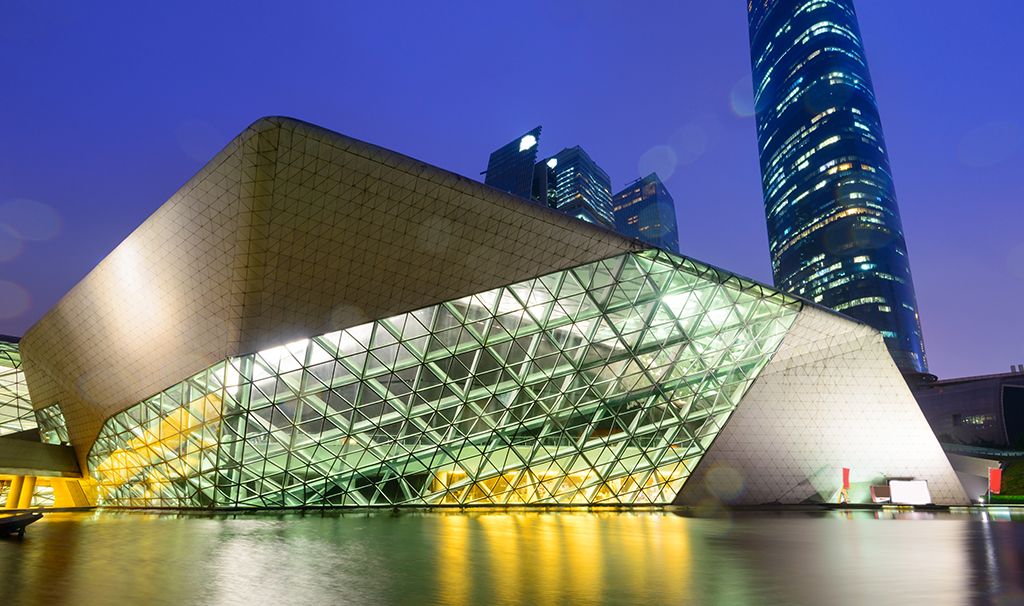
“The design evolved from the concepts of a natural landscape and the fascinating interplay between architecture and nature; engaging with the principles of erosion, geology and topography” – Dezeen.
GUGGENHEIM MUSEUM – FRANK LLOYD WRIGHT
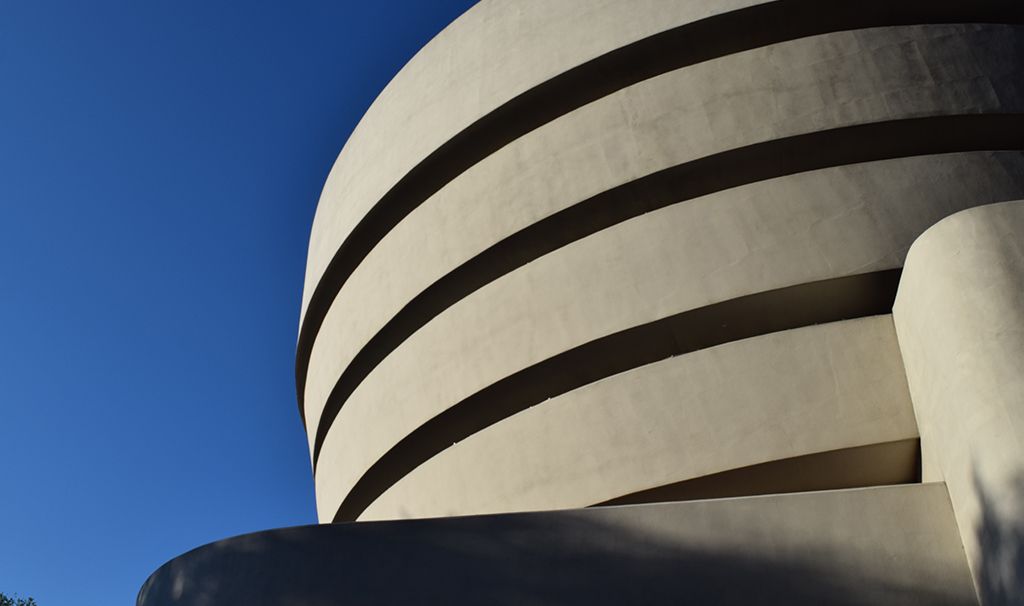
As one of the youngest buildings to be deemed a New York City Landmark at just 31 years old, the Guggenheim’s unique architecture made this building an instant icon. Wright often brought aspects of nature into his buildings with his use of natural light, plants, and water. At the Guggenheim Museum, it is thought that a nautilus shell inspired the spiral ramp and that the radial symmetry of a spider web informed the design of the rotunda skylight.

THE SHARD – RENZO PIANO
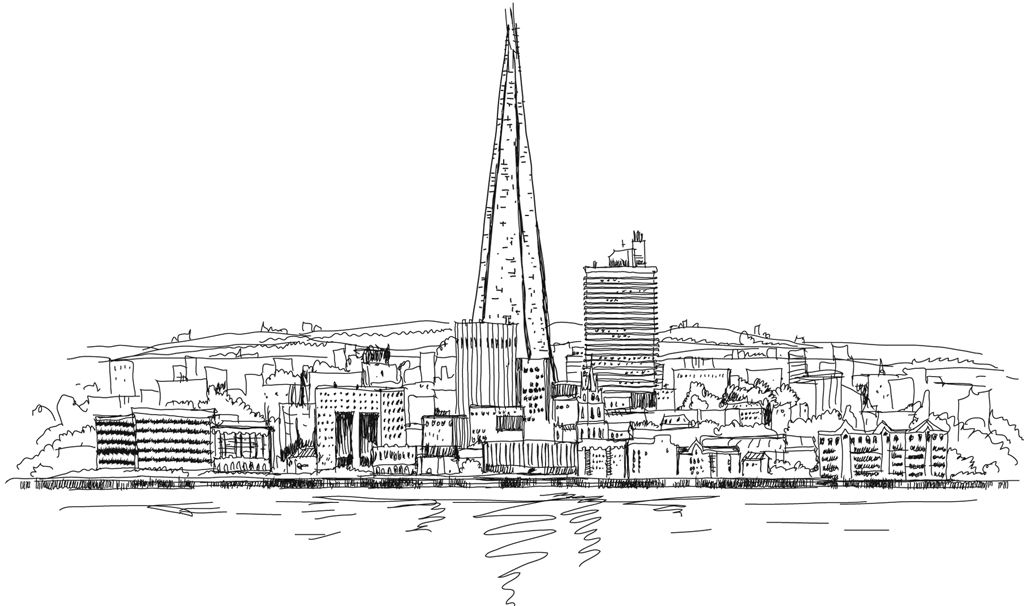
The Shard, designed by architect Renzo Piano, draws inspiration from the spires of London churches depicted by the 18th-century Venetian painter Canaletto, and the masts of tall ships. The Shard is designed as a spire-like sculpture emerging from the River Thames.
Fundamental to Piano’s vision of the building was the idea of lightness and transparency. For all its height, The Shard would be an elegant spire in contrast to the bulky high-rises of the past. Realizing this idea meant using glass in a highly innovative way.

LOTUS TEMPLE – FARIBORZ SAHBA
The Lotus Temple – a Baha’i House of Worship in New Delhi – is built in the shape of a floating half-open lotus flower set amidst pools and gardens. The temple is composed of 27 free-standing marble-clad “petals” arranged in clusters of three to form nine sides.


EXTREME INSPIRATION
At Extreme, we believe that the most impactful designs are those with a strong inspiration, or story, that flows through to every detail. This design story transcends material and function to create a one of a kind room that evokes a strong emotional connection.
The story is at the heart of an Extreme design, and it stems from our belief that ownership is for enjoyment, not for ownership’s sake. Ownership for enjoyment is about surrounding oneself with objects that fill us with joy, that resonate with us by reflecting our identity and reconnecting us with our life’s story.
For some of our clients, their story is as apparent as the experience of a treasured memory or shared passion. For others, it could be a design style that resonates with them or a subtle interpretation of their values and lifestyle. Whatever the story, the resulting design is one of sentimental value that enables our clients to relive their most cherished memories or ideas every day.
At Extreme, we’re passionate about creating truly unique kitchen and fitted furniture designs that are inspired by each client. If you would like to find out more information about our design process, please call 020 8846 8000 or enquire via our website form.